SGKVN

Tiếng Anh 7 (Friends Plus) - Unit 2 | Giáo Dục Việt Nam

Unit 2 - Tiếng Anh 7 (Friends Plus). Xem chi tiết nội dung bài Unit 2 và tải xuống miễn phí trọn bộ file PDF Sách Tiếng Anh 7 (Friends Plus) | Giáo Dục Việt Nam

Page 120

Present continuous: affirmative and negative

                 Affirmative                     Negative
I'm talking.
He / She / It's talking.
You / We / They're talking.
I'm not talking.
He / She / It isn't talking.
You / We / They aren't talking.


We make the affirmative form of the present continuous with the verb be and the -ing form of the main verb.

We make the negative form with the verb be plus not and the -ing form of the main verb.

In spoken and informal written English, we use short forms.

I am writing. → I'm writing.

He isn't talking.

Present continuous: questions

Questions Short answers
Negative 
Yes, I am.
Yes, he / she / it is.
Yes, you / we / they  are.
Affirmative
No, I'm not. 
No, he / she / it isn't
No, you / we / they aren't.


We make the question form by inverting the verb be and the -ing form of the main verb.

We make short answers with the verb be without the -ing form of the main verb.

We don't use short forms in affirmative short answers.

'Are you studying?'            'Yes, I am.'            'Yes, I'm.'

'Is Selin watching TV?'        'Yes, she is.'         'Yes, she's.'

'Are we doing this exercise?' 'Yes, we are.'    'Yes, we're.'

Question words go before the verb be.

What are you talking about?

Who are you messaging?

Why are they laughing?

Where's Lenka going?

Present simple and present continuous

Usage

We use the present continuous to talk about an action in progress. We use it for things which are happening now or around now. We often use time expressions like now, right now or at the moment with the present continuous.

'Is Alicia doing her homework now?' 'Yes, she is.'

'Where's Osman right now?' 'He's chatting online.'

'They're studying for their history exam at the moment.

We use the present simple to talk about routine or repeated actions. We often use adverbs of frequency like always, usually, often, sometimes or never with the present simple.

Do you often post messages on social media?

She always watches that TV programme.

Ollie sometimes uses instant messaging.

I never send emails.

There are some verbs (stative verbs) which we don't normally use in the continuous form because they describe states which are true, not actions in progress. These include: understand, know, believe, think, mean, like, dislike, love, hate, want and prefer.

We don't understand this question.

We aren't understanding this question.

What does that word mean?

What is that word meaning?

I like your new mobile phone.

I'm liking your new mobile phone.

Do you want a coffee?

Are you wanting a coffee?
Xem và tải xuống trọn bộ sách giáo khoa Tiếng Anh 7 (Friends Plus)

Tổng số đánh giá:

Xếp hạng: / 5 sao

Sách giáo khoa liên quan

Toán 7 - Tập 1

Sách Giáo Khoa Lớp 7 NXB Giáo Dục

Toán 7 - Tập 2

Sách Giáo Khoa Lớp 7 NXB Giáo Dục

Ngữ Văn 7 - Tập 1

Sách Giáo Khoa Lớp 7 NXB Giáo Dục

Ngữ Văn 7 - Tập 2

Sách Giáo Khoa Lớp 7 NXB Giáo Dục

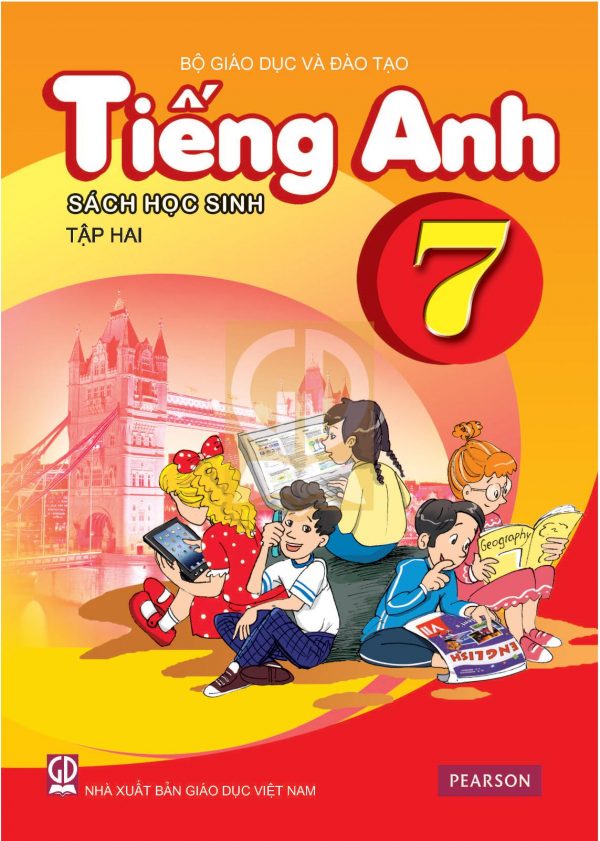
Tiếng Anh 7 - Tập 1

Sách Giáo Khoa Lớp 7 NXB Giáo Dục

Tiếng Anh 7 - Tập 2

Sách Giáo Khoa Lớp 7 NXB Giáo Dục

Vật Lí 7

Sách Giáo Khoa Lớp 7 NXB Giáo Dục

Sinh Học 7

Sách Giáo Khoa Lớp 7 NXB Giáo Dục

Lịch Sử 7

Sách Giáo Khoa Lớp 7 NXB Giáo Dục

Địa Lí 7

Sách Giáo Khoa Lớp 7 NXB Giáo Dục

Công Nghệ 7

Sách Giáo Khoa Lớp 7 NXB Giáo Dục

Âm Nhạc và Mĩ thuật 7

Sách Giáo Khoa Lớp 7 NXB Giáo Dục

Gợi ý cho bạn

tap-viet-1-tap-mot-23

TẬP VIẾT 1 - Tập Một

Sách Lớp 1 Chân Trời Sáng Tạo

vat-li-11-nang-cao-1160

Vật Lí 11 (Nâng Cao)

Vật Lí Lớp 11 Chương Trình Nâng Cao

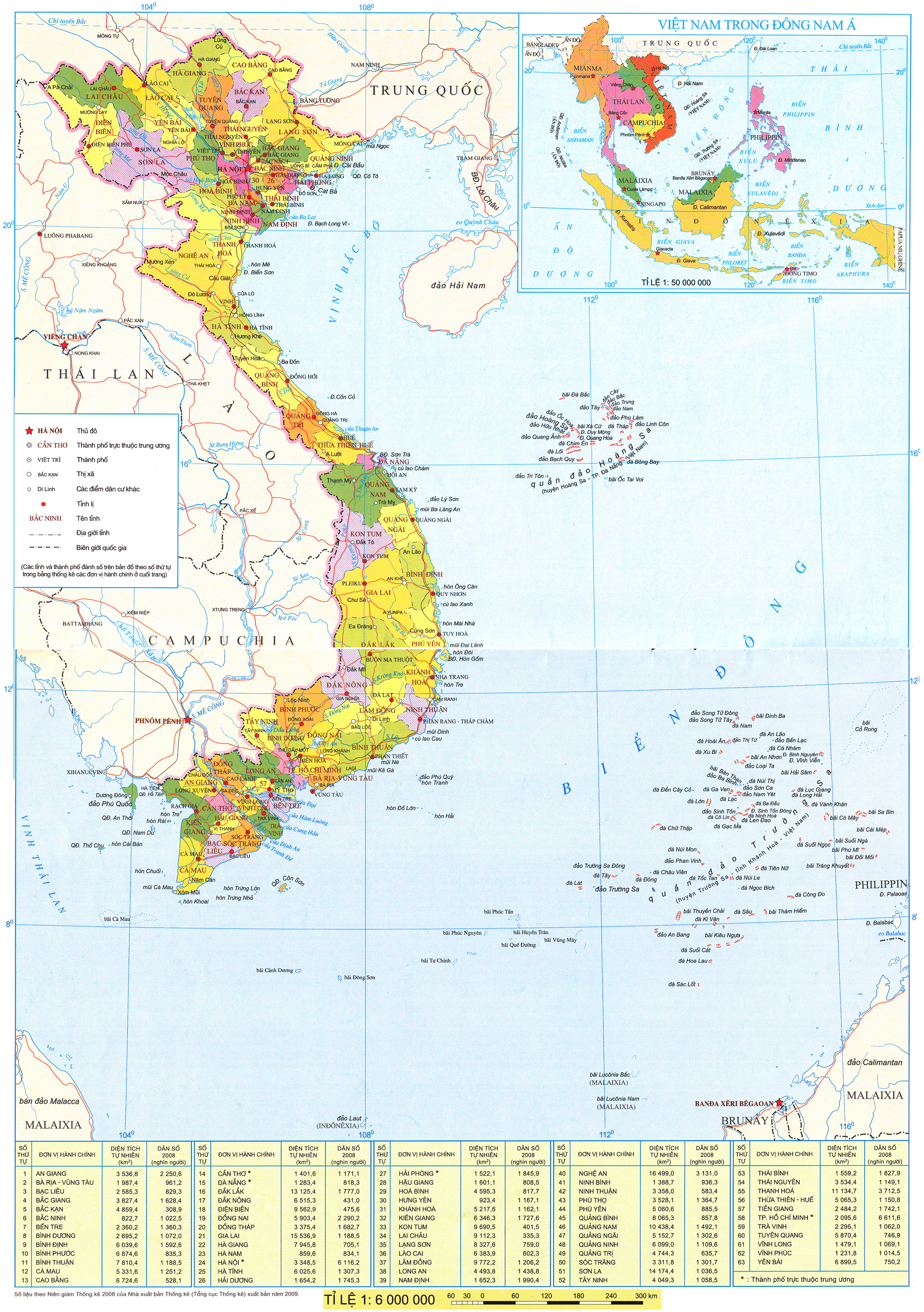
atlat-1362

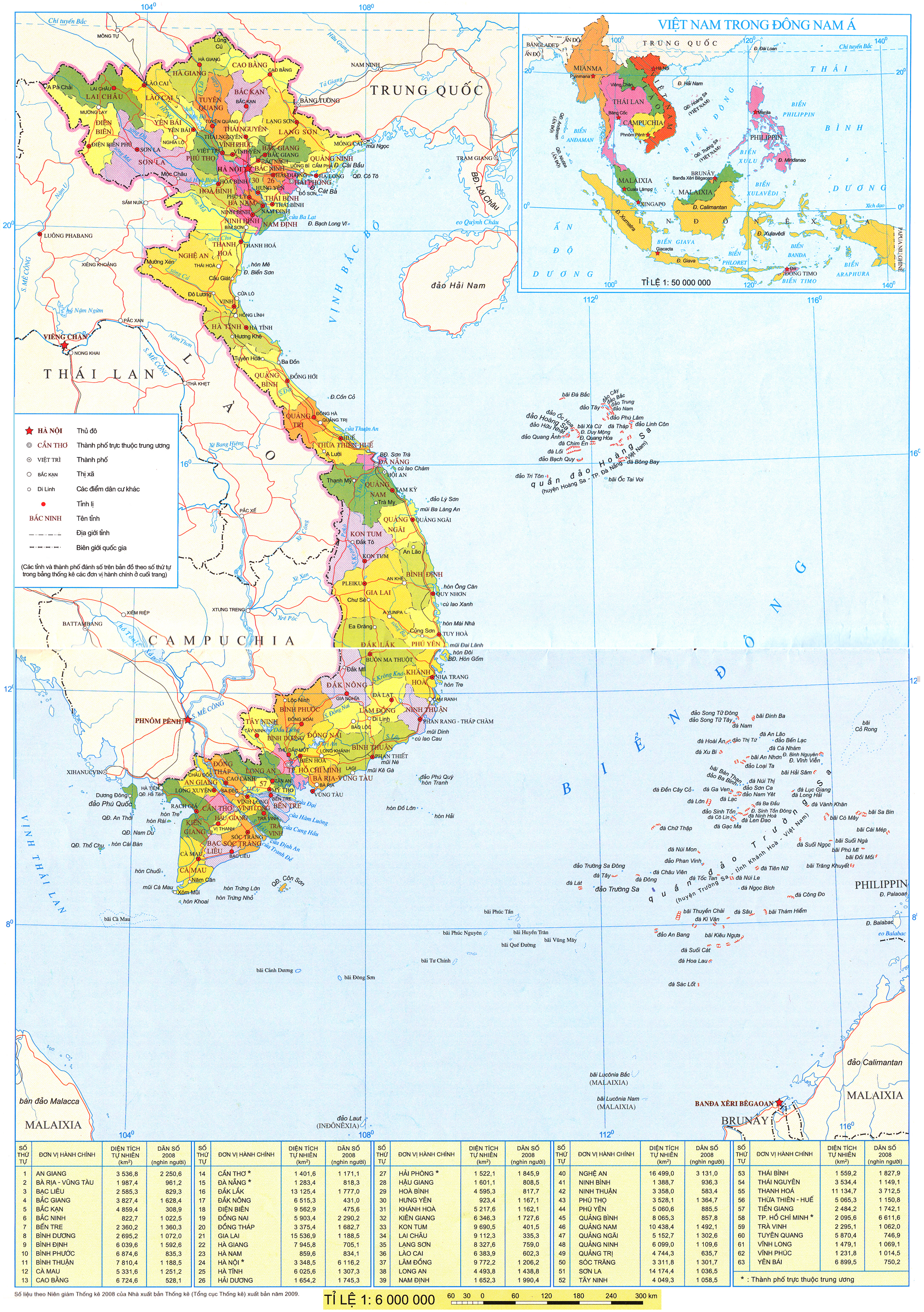
Atlat

Atlat hay atlas là một tập hợp các bản đồ, thường là của Trái Đất hoặc một khu vực trên Trái Đất. Ngoài ra còn có atlas của các hành tinh trong hệ Mặt Trời.

chuyen-de-hoc-tap-hoa-hoc-12-3805

Chuyên đề học tập Hóa học 12

Sách Chuyên đề học tập Hóa học 12 Kết Nối Tri Thức Với Cuộc Sống - Cung cấp kiến thức chuyên sâu về cơ chế phản ứng hữu cơ, quy trình tái chế kim loại và công nghiệp silicat, cùng với các vấn đề cơ bản về phức chất.

mi-thuat-12-hoi-hoa-3480

Mĩ Thuật 12 (Hội Hoạ)

Sách giáo khoa Mĩ thuật 12 – Hội hoạ giúp các em có hiểu biết, hình thành những kiến thức, kĩ năng cơ bản trong chất liệu màu bột (hoặc tương đương).

Nhà xuất bản

canh-dieu-1

Cánh Diều

Bộ sách giáo khoa của Nhà xuất bản Cánh Diều

chan-troi-sang-tao-2

Chân Trời Sáng Tạo

Bộ sách giáo khoa của Nhà xuất bản Chân Trời Sáng Tạo

ket-noi-tri-thuc-voi-cuoc-song-3

Kết Nối Tri Thức Với Cuộc Sống

Sách giáo khoa của nhà xuất bản Kết Nối Tri Thức Với Cuộc Sống

giao-duc-viet-nam-5

Giáo Dục Việt Nam

Bộ Sách Giáo Khoa của Nhà Xuất Bản Giáo Dục Việt Nam

sach-bai-giai-6

Sách Bài Giải

Bài giải cho các sách giáo khoa, sách bài tập

sach-bai-tap-7

Sách Bài Tập

Sách bài tập tất cả các khối lớp

tai-lieu-hoc-tap-9

Tài liệu học tập

Đây là tài liệu tham khảo hỗ trợ trong quá trình học tập

global-success-bo-giao-duc-dao-tao-11

Global Success & Bộ Giáo Dục - Đào Tạo

Bộ sách Global Success & Bộ Giáo Dục - Đào Tạo là sự kết hợp giữa ngôn ngữ Tiếng Anh theo lối giảng dạy truyền thống và cập nhật những phương thức quốc tế

nxb-dai-hoc-su-pham-tphcm-12

NXB - Đại Học Sư Phạm TPHCM

NXB - Đại Học Sư Phạm TPHCM

Chủ đề